JEDDAH: A history of civilizations stretching back thousands of years, along with a distinctive landscape and terrain, have left the Tabuk region in Saudi Arabia’s northwest with a host of popular dishes that are central to its everyday culture.
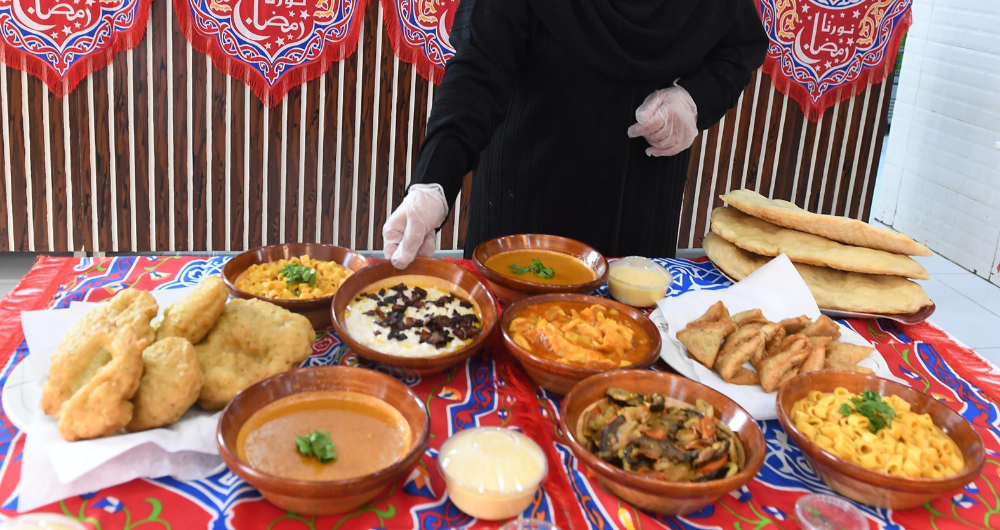
But during the holy month many dishes take on a special significance as residents of Tabuk, its governorates and centers prepare the Ramadan table with iftar and suhoor meals, such as mjallah or khamiaa, a saj dough made from wheat.
The dough is cut once ready and has ghee or olive oil, milk and honey added.
Maqtouta is another dish also known as mouqalqal or hamis, while mansaf are dishes made of meat or chicken with rice and bread, and served for sahoor.
The Ramadan table in Tabuk also contains a grain soup. Wheat is soaked overnight, then water is added, along with meat and onions. Special spices or herbs, such is black pepper and Artemisia argentea, can be added, then water is gradually added while constantly stirring. When the grain is cooked, some families add milk to increase the soup’s nutritional value. The mix is then stirred and served.
Lentil soup, another favorite, is prepared by pouring water over the lentils with vegetables added to taste, until they are cooked. The ingredients are then mashed and served as soup.
Freekeh soup is also made with wheat. Green ears of wheat are picked around six weeks before harvest, then grilled to separate the grains from the peel. Afterward, the grains are ground with millstones and cooked with water along with meat, salt and black pepper.
Some cities on the region’s coasts are known for mutabbaq, a dough cut into rectangles and stuffed with chopped leek, eggs, tomatoes, black pepper and salt. The sides are then well-folded before they are cooked on saj (a convex metal griddle) and flipped until golden.
The Tabuk table is also famous for feteer, which is made from wheat flour, water and salt, and then cooked on saj, with some ghee added when served.
Desserts are also part of the variety of dishes adorning Ramadan tables, most notably luqaimat, a dough kneaded by hand until it becomes consistent and soft.
The dough is put in a hot place for some time, then small pieces are shaped into balls, fried in hot oil and constantly flipped until they become golden. Some people add to them sesame and honey.
Kunafa, a well-known dessert in the Arab world, is made of two layers of equally small vermicelli with cream/cheese in between. It is decorated with pistachios and cooked in the oven with sugar syrup on top once served.
JEDDAH: Saudi citizens say they have become more confident that the country’s Vision 2030 plan is on the right track, after watching Crown Prince Mohammed bin Salman on TV marking the vision’s fifth anniversary.
The crown prince reaffirmed the Kingdom’s commitment to removing extremism. In his Tuesday interview, he made it clear that the Qur’an and Sunnah are the main sources of the legislative system in the country, adding that for a country to attract capital and grow on all levels, extremist projects must be eradicated.
Faisal Al-Bugami, a National Guard employee, said: “The Saudi leadership has always been reiterating this fact, and all Saudi citizens know well that this country was first built on Islam, and it will always be an Islamic country.”
The crown prince’s comments on the Value Added Tax were received positively and reflected the government’s interest in protecting the citizens in the long run.
In a tweet, Mahfouz Al-Ghamdi, a columnist at Makkah online newspaper, said that the interview emphasized his keenness to secure a good future for the coming generations in Saudi Arabia.
“The speech also showed that he is keen to not pour any more money without a clear plan. Moreover, it stressed the continuation of good life to the people of Saudi Arabia,” he said.
Opinion
This section contains relevant reference points, placed in (Opinion field)
Millions of viewers were glued to the screens to see where their country’s vision 2030 was going and what has been done, especially with regard to housing, which the crown prince described as “one of the biggest challenges we have faced has been the need to increase housing ratios which we’ve seen huge demand on from citizens.”
Speaking to Al-Arabiya TV channel, Fadhl Al-Buainain, member of the Shoura Council, recalled the speech made by King Salman when he came to the throne.
“King Salman pointed out that one of the most important issues he would consider was housing. When Vision 2030 started, one of its essential goals was to help every citizen have their own house, and increase the house ownership ratio. Today, Crown Prince Mohammed bin Salman repeats and stresses this goal,” Al-Buainain said.
He added: “I think having a house is key to family security, and overall security and stability. With the support of the leadership, the Ministry of Housing has succeeded in achieving this goal.”
Meanwhile, Khaled Al-Salem, a teacher for over 22 years and a beneficiary of the services of the Ministry of Municipal and Rural Affairs and Housing in Taif, told Arab News that he had lost hope after being on the waiting list of the Real Estate Development Fund for over 15 years.
HIGHLIGHT
Millions of viewers were glued to the screens to see where their country’s vision 2030 was going and what has been done, especially with regard to housing, which the crown prince described as ‘one of the biggest challenges we have faced has been the need to increase housing ratios which we’ve seen huge demand on from citizens.’
“I failed to receive a loan to help me build a house for my family. However, with the support of the Ministry of Housing, I am soon moving to my own house,” he said, adding: “The support I received from the government helped me buy a piece of land and build my dream house on it.”
Al-Salem has now secured a home for his children. He said it was one of the benefits of Vision 2030, highlighting the fast, flexible and easy procedures he went through.
Dr. Alyaa Omar Al-Marwaey, a lecturer of curricula and methods of teaching English at Umm Al-Qura University, said the crown prince’s interview has left a positive impact, not only in the hearts of all Saudis but also in the minds of all expats residing in this country.
“It has shown us that there were systematic plans to integrate the efforts of the different ministries in a way that could effectively assist in securing comfort and prosperity to both citizens and residents,” she told Arab News.
She added that the reform plans are pouring investment opportunities on various educational, social, military and environmental levels, as well as many other vital opportunities.
“It is a great chance for Saudi citizens to see Crown Prince Mohammed bin Salman present what has so far been achieved in the Vision 2030,” Al-Marwaey said, adding: “We are proud to be part of this development dream that is coming true.”
She said that the leadership has continued what the Saudi founder King Abdul Aziz started in creating ministries to better serve citizens and expats.
“These ministries have recently been reshaped to better achieve the same goals set by the late founder. The combined efforts of the ministries are now showing greater performances on all levels. Various sectors such as education, health, security, culture, tourism and the environment are witnessing huge leaps in their performance,” Al-Marwaey said.
For the tourism sector, she said that it is doing a “great job” and is expected to draw the attention of millions of people to the green Saudi Arabia.
“This sector is moving with the pride of the deep-rooted Arab and Islamic identity of Saudi Arabia. The Saudi Vision will certainly develop the unique Arab and Islamic heritage, which is a key component of the Saudi culture. This heritage will attract tourists from different parts of the world,” Al-Marwaey concluded.
Saudi Crown Prince says differences with US minimal, suggests peace with Houthi still possibleWhat Saudi Vision 2030 reform plan has achieved at the five-year mark
RIYADH: The Saudi Human Resources Development Fund (Hadaf) has approved 28 new professional certificates, increasing the overall number to 106.
New qualifications include tourism, hospitality, auditing, accounting and engineering basics. The certificates also cover ICT, project management, human resources and professional visual designs and montage.
With its focus on professional training and certification, the fund is aiming to boost labor market productivity to reach international standards, and create career opportunities. Each candidate can receive a maximum of two certificates. For payment, the applicant has to file an application through the taqat.sa website along with a copy of the professional certificate.
Diploma holders included in Saudi Human Resources Development Fund training programSaudi Human Resources Development Fund, Misk Academy sign deal to train jobseekers
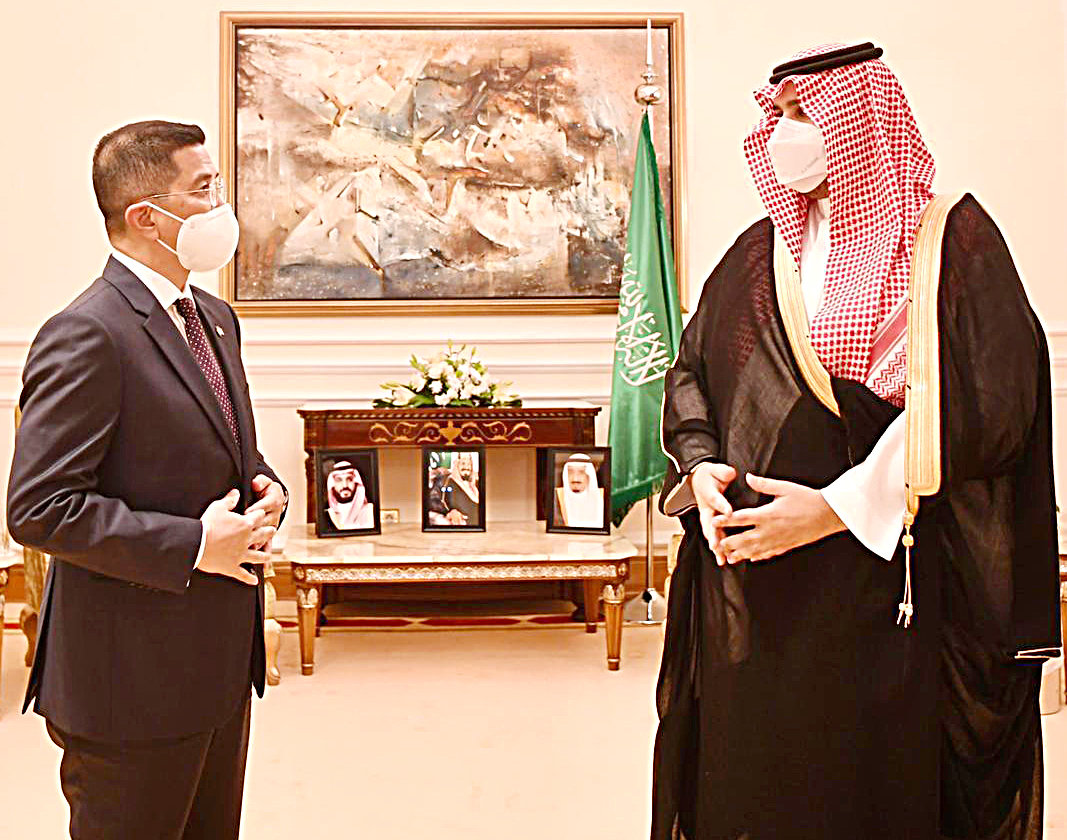
Saudi Minister of State Prince Turki bin Mohammed bin Fahd bin Abdul Aziz received the minister of international trade and industry of Malaysia, Mohamed Azmin Ali, in Jeddah, during Ali’s official visit to the Kingdom.
During the meeting, the two emphasized the bilateral relations between their countries and aspects of cooperation in various fields.
The meeting was attended by an adviser at the royal court, Raafat bin Abdullah Al-Sabbagh, and Malaysia’s ambassador to the Kingdom, Abd Razak Abdul Wahab.
KATHMANDU: More than 16,000 Muslims in Nepal will benefit from 466 Ramadan food baskets distributed by the Ministry of Islamic Affairs, Dawah and Guidance, the Saudi Press Agency reported.
The ministry has launched a similar initiative in Australia, Fiji and the Solomon Islands, where the religious attaché office at the Saudi Embassy will distribute 300 food baskets and 25,000 iftar meals.
The religious attaché office in Addis Ababa, Ethiopia, will also distribute 2,000 food baskets and 11 tons of dates to more than 15,000 beneficiaries.
In Gabon, the ministry has inaugurated King Salman’s iftar program by distributing food baskets to 300 families.
As part of the iftar program, the religious attaché office at the Kingdom’s Embassy in Jakarta donated Ramadan food baskets and dates in Indonesia.
The officials distributed more than 1,750 food baskets, 6,500 breakfast meals, and 15 tons of luxurious dates.
Saudi Arabia has launched iftar programs in 16 countries this Ramadan, with the Ministry of Islamic Affairs, Dawah and Guidance arranging for the initiative to reach all continents through coordination with Saudi Arabia’s embassies and Islamic centers.
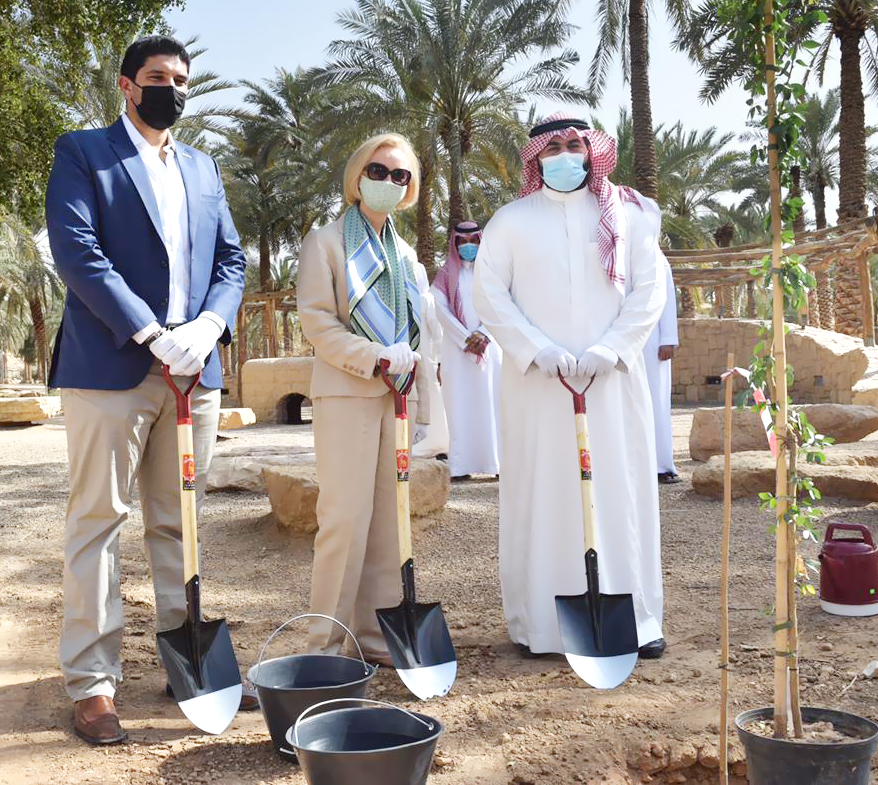
RIYADH: Chargé d’Affaires of the US Mission to Saudi Arabia Martina Strong, together with representatives of the Royal Commission for Riyadh City (RCRC), the Green Riyadh Project, and the American Chamber of Commerce joined the Saudi Green Initiative’s effort to plant 10 billion trees in the Kingdom by planting 21 trees in the Diplomatic Quarter’s National Park.
The event coincided with this year’s Earth Day celebration on April 22 and underscored the close partnership between Saudi Arabia, the US, and the American business community on environmental protection and sustainable development.
Strong emphasized that the US and Saudi Arabia have made bold commitments to lead the fight against climate change, also highlighting the economic benefits of putting sustainability at the top of the agenda.
Strong said: “Our cooperation with Saudi Arabia on climate and environment adds another dimension to our bilateral partnership. On Thursday, President Biden, His Majesty King Salman, and leaders of 40 other nations came together in the Leaders’ Summit on Climate Change to press for more ambitious national goals to reduce emissions and mobilize public and private sector resources.”
Representing the RCRC and the Green Riyadh Project, adviser Anas Najmi highlighted the impact that tree planting would have saying, “We are here to plant trees, (which) represent well-being, not only to the environment but also to the residents and visitors of this great community and city.”
Tarik Solomon, chairman of the American Chamber of Commerce, said: “With its green initiatives — including the largest afforestation project in the world to date — Saudi Arabia is sending a clear signal that it seeks to lead the charge on climate change. This is also a call to business leaders to improve their sustainability practices. The American business community in Saudi Arabia stands ready to do its part.”
The tree planting followed a panel discussion on April 21 titled, “Green Initiatives and a Renewable Energy Future in Saudi Arabia.” Speakers from the Green Riyadh Project discussed the sustainable development practices of the city and noted that the economic benefits of the project are projected to exceed SR70 billion ($18.6 billion) by 2030.
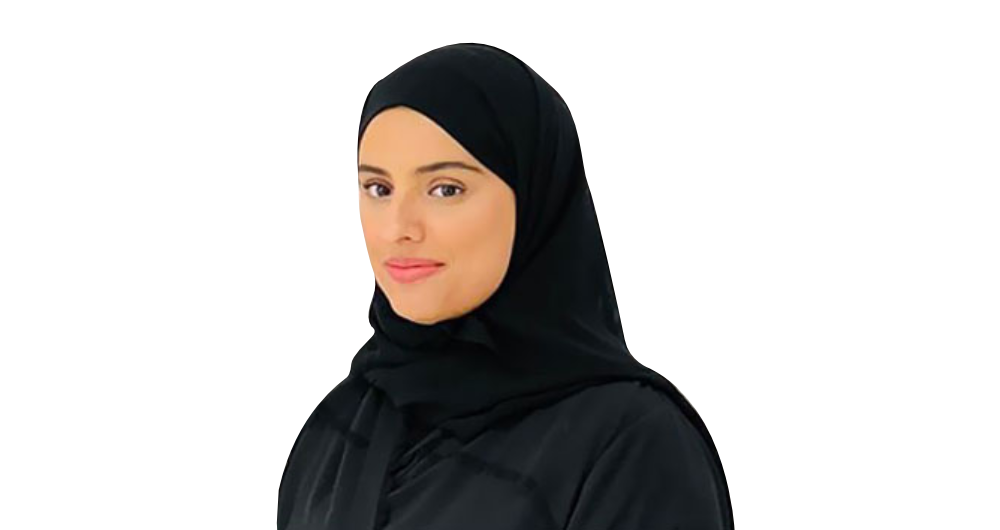
JEDDAH: Saudi female engineers have played a prominent role in the country’s “great scientific achievements” said Noura Saud Al-Tuwaim, an engineer, who leads the optics department at the National Satellite Technology Center.
“The high rate of participation of young talents in the space sector reflects the wise Saudi leadership’s interest in empowering the nation’s women,” said Al-Tuwaim, who works within the developing team of the two Saudi satellites.
“They are activating their role as partners in the development and prosperity process that the Kingdom is witnessing.”
She noted that the center aims to raise national capabilities for developing, manufacturing, testing, launching and operating satellite systems to serve the national need.
Al-Tuwaim also sent a message to aspiring Saudi women interested in a technology career.
“You are the creators of the future and are worthy of the nation’s trust,” she said. “Knowledge and working with sincerity are the best that we can offer in light of our constant endeavor to return the favor to our homeland. We have the supreme goal of advancing our society and nation.”
Al-Tuwaim started her career in 2012 with a cooperative training program, which was one of the requirements for graduation from Prince Sultan University as a trainee in the King Abdul Aziz City for Science and Technology.
After graduating first in her class in 2013, Al-Tuwaim then completed her postgraduate studies in the US and secured her master’s degree from the McCormick School of Engineering at Northwestern University in 2017.
While working at the National Center for Satellite Technology, Al-Tuwaim participated in the Saudi Sat 5A/5B project, one of the prominent national projects that was successfully launched into space in 2018.
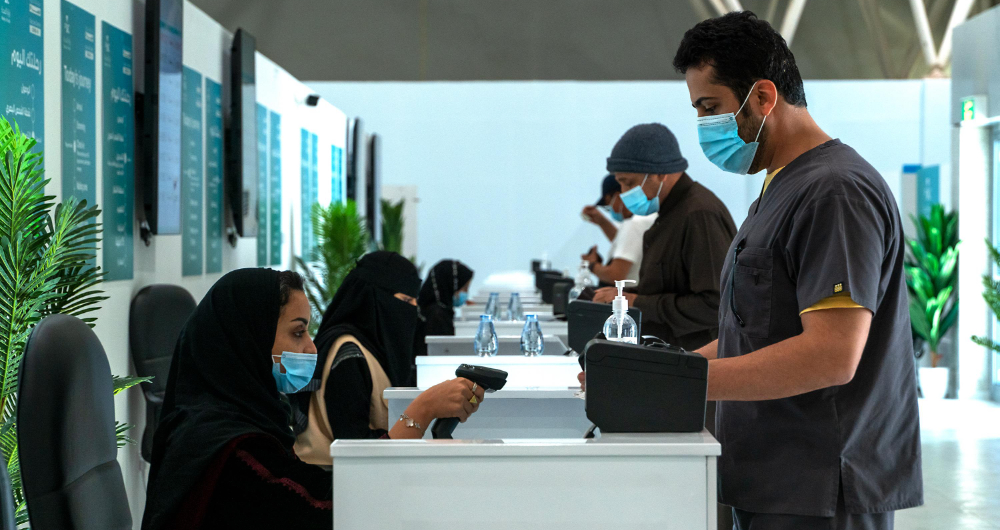
RIYADH: The Directorate of Health Affairs in Jeddah has vowed to take action against healthcare workers who refuse to be vaccinated against the coronavirus disease (COVID-19) by referring them to the Ministry of Health’s (MoH) Profession Violations Committee.
According to a circular issued by the directorate’s head, the reason for the decision was poor vaccination numbers among healthcare workers across the governorate. The circular went on to state that while those with medical reasons not to take the vaccine would be exempt, the vaccine is mandatory for all other Jeddah healthcare workers.
The directorate affirmed that taking the vaccine was a civic duty, and necessary to curb the spread of the virus. It also reassured citizens that taking the vaccine is in line with all regulations.
The decision comes at a crucial time, with daily case numbers officially rising past the four-digit mark. The MoH continues to urge citizens to sign up for the vaccine, which is available both to Saudis and residents for free.
Appointments to be vaccinated can be made via the MoH’s designated app, Sehhaty, as well as appointments to be tested for the virus.
The MoH announced the diagnoses of 1,062 new COVID-19 cases, 867 recoveries, and 13 deaths on Wednesday. This raises the Kingdom’s total numbers to 415,281 confirmed cases, 398,454 recoveries, and 6,935 deaths.
Of the new cases, Riyadh reported the highest number with 458, followed by the Makkah region with 231, and the Eastern Province with 136. The regions reporting the lowest number of cases were the Northern Borders with 13, Baha with nine, and Jouf with seven.
The Kingdom has also carried out a total of 16,774,888 polymerase chain reaction (PCR) tests, 66,185 of which were performed in the last 24 hours.
The Kingdom’s current number of active cases is 9,892, with 1,928 of those in critical condition, up by 21 since yesterday. Meanwhile, the Kingdom’s recovery rate is holding steady at 95.9 percent.
In terms of vaccination, the Kingdom has delivered over 8.8 million doses so far, currently at a rate of 168,988 per day.
Meanwhile, health clinics set up by the Ministry of Health as testing hubs or treatment centers have helped hundreds of thousands of people around the Kingdom since the pandemic began.
Among those testing hubs are Taakad (make sure) centers and Tetamman (rest assured) clinics.
Taakad centers provide COVID-19 testing for those who show no or mild symptoms or believe they have come into co
Khaled Abdulgader Tash is assistant director general for communications at the Saudi Arabian Airlines Corporation, the holding entity for Saudia airline, Flyadeal and several business units in the aviation industry.
Before his latest appointment, he was vice president for corporate communication, with a mission to reposition the corporation in line with Vision 2030 and the opportunities it opens for the tourism, culture, sports, entertainment and logistics sectors.
Tash served as deputy governor for the Saudi Arabian General Investment Authority (SAGIA) in 2018, where he led the launch of the Kingdom’s global investment promotion brand “Invest Saudi,” with campaigns across the world.
Following that, he was appointed deputy minister for marketing and communication at SAGIA, leading the launch of the first Ministry of Investment in the Kingdom.
Between 2016-2018, Tash served as an adviser to several public entities, including the Public Investment Fund and the Ministry of Housing, as well as Crown Prince Mohammed bin Salman’s Misk Foundation.
Tash began his career in marketing with Procter & Gamble, where he was responsible for international brands such as Pampers and Pringles.
Later he became the first marketing director appointed to launch King Abdullah Economic City and the Knowledge Economic City in Madinah. Tash holds a bachelor’s degree from King Fahd University for Petroleum and Minerals in Dhahran. He has also attended executive programs at Harvard Business School, INSEAD and the Cannes Lions Festival of Creativity.
Who’s Who: Sami bin Abdulmohsen Al-Hokair, managing director and CEO of Al-Hokair Group for Tourism and DevelopmentWho’s Who: Reem Alharbi, head of LinkedIn’s operations in Saudi Arabia
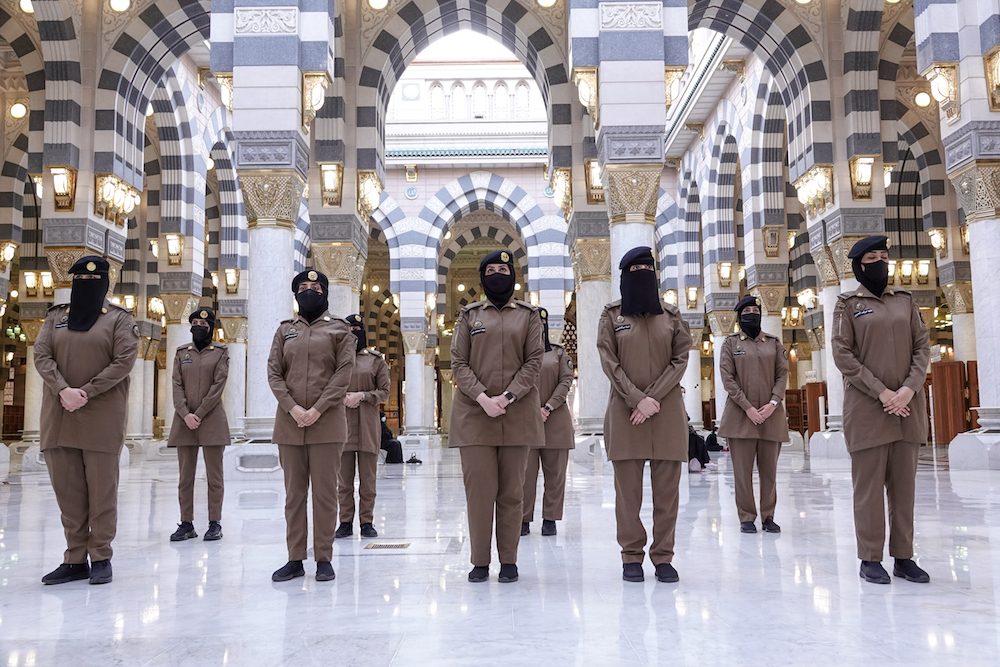
MADINAH: Few media images have captured the impressive strides Saudi Arabia has made toward the empowerment of women and gender equality since 2016 like the recent photos of a smartly uniformed female security officer guiding Umrah pilgrims in Makkah during Ramadan.
Dozens of female officers are currently deployed both in Makkah and Madinah, where they are providing security and managing worshippers at the Grand Mosque and the Prophet’s Mosque. The fact that their daily work is now considered a matter of course is a signal achievement of the Kingdom’s five-year-old Vision 2030.
The 113-strong all-female batch of military-trained officers stationed at the Prophet’s Mosque was created six months ago. It is part of the homeland security branch of Saudi Arabia’s Special Security Forces. The officers work round the clock in four teams of nearly 18 members each. Their job, according to a statement by Major-General Abdul Rahman Al-Mashhan, director of the Madinah Police, is to watch over and assist pilgrims performing Umrah.
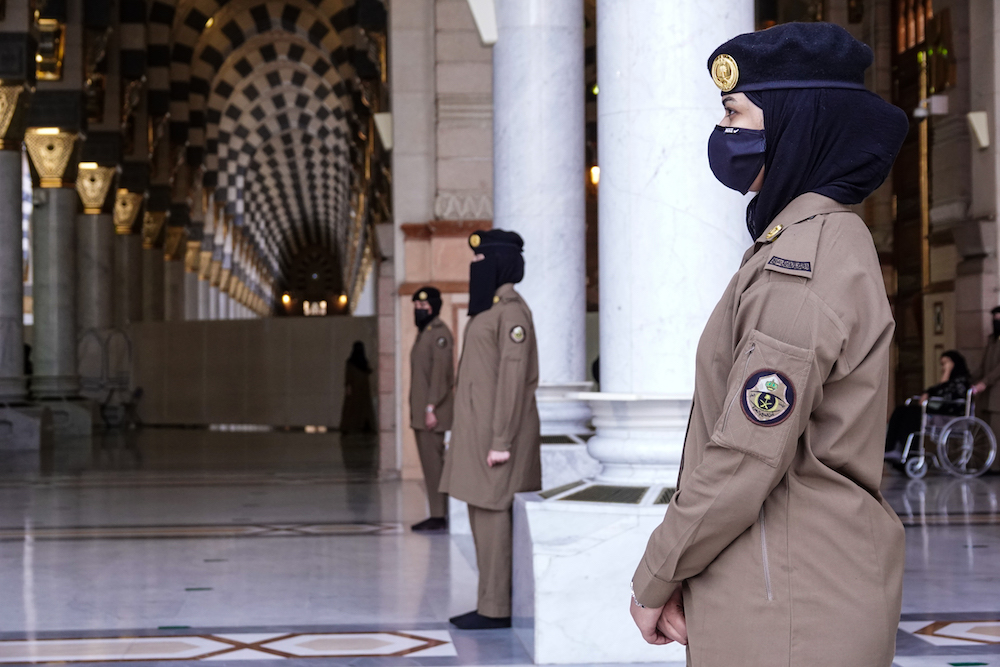
Dressed in mocha-colored uniforms, black berets and with their faces partially veiled, the young officers oversee a section of the mosque to guide and assist female worshippers and enforce the government’s COVID-19 protocols.
They exude the confidence that comes from succeeding in a demanding career that was closed to them until recently. As part of their professional training, they learned self-defense, first aid and how to use firearms. They also had to enroll for courses in Arabic and English (to improve their communication skills), computer education and fitness.
Hanan Al-Rashidi, 27, who has been a soldier for all of eight months, said she accepted the job because it is a form of humanitarian service. “I am full of joy. It is an honor to work at the Prophet’s Mosque and serve the guests of Allah,” she told Arab News.
Al-Rashidi expresses pride in flying the flag for Saudi Vision 2030 and regards the current era as one of female empowerment.
”I am grateful to be working in this position. Our leadership has given us so many opportunities. From driving to working in any field, women are equal to men. There is no difference,” she said.
Reem Al-Mahjoob, 27, who has been performing security duties in Madinah for the past six months, echoed Al-Rashidi’s sentiments. She pointed out that Vision 2030 has empowered Saudi women to take up jobs in such diverse fields as the military, aviation and government.
”This is the era of women,” Al-Mahjoob told Arab News. “Women are now able to join the military among many other sectors they have always wanted to enter.”
From a historical perspective, the deployment of female officers in the two holy cities is one of the many remarkable changes that Saudi Arabia has witnessed since Crown Prince Mohammed bin Salman launched the Vision 2030 plan in April 2016.
Empowerment of women — including their economic inclusion and workforce participation — is one of the key objectives of the Vision 2030 programs.
As part of the strategy, Saudi Arabia has not only introduced legal reforms but also funded projects and initiatives in a number of sectors — including tourism, investment and culture — that have created opportunities for women.
Along with these initiatives, government sectors have committed to guaranteeing and protecting women’s rights in the workplace. The Ministry of Human Resources and Social Development has worked to reduce gender-based discrimination and find ways to create safe work environments that foster growth and innovation.
Women have also played their part in creating legislation and opening businesses and have taken a leading role in private-sector investment. Saudi Arabia now has its first female professional racing driver, female ambassadors, female judges, and award-winning female filmmakers.
The 113-strong all-female batch of military-trained officers stationed at the Prophet’s Mosque was created six months ago. (AN Photo/Huda Bashatah)
The pace of progress towards gender equality in the defense sector has been particularly impressive. Saudi Arabia decided three years ago to allow women to join the military.
In 2020, the first military wing for women in Saudi Arabia’s armed forces was launched. In February this year, the Ministry of Defense announced that men and women in the Kingdom could apply for positions in the military through a unified admission portal.
Among the positions now open to women are lance corporal, corporal, sergeant and staff sergeant, with a long line of prospective employers, including the Royal Saudi Land Forces, Royal Saudi Air Force, Royal Saudi Naval Forces, Royal Saudi Air Defense Forces, Royal Saudi Strategic Missile Force and Armed Forces Medical Services.
Female police officers joined the ranks of Makkah’s security force for the first time during last summer’s Hajj season, amid the COVID-19 pandemic.
The freshly minted officers in Madinah look out for hawkers and beggars while making sure that measures to curb the spread of COVID-19 are respected by visitors. (AN Photo/Huda Bashatah)
Like them, the all-female contingent stationed at the Prophet’s Mosque in Madinah proves that anything Saudi men can do, Saudi women can do too, and that no matter how masculine a job may seem to traditionalists, it can always benefit from a woman’s touch.
The freshly minted officers in Madinah look out for hawkers and beggars while making sure that measures to curb the spread of COVID-19 are respected by visitors. Al-Hanouf Al-Gomzi, 29, who comes from a family with a defense background, said she finds her posting in the holy city hugely rewarding.
“The feeling is completely indescribable,” she told Arab News. “I’m at the Prophet’s Mosque watching over the visitors. I’m very proud of myself and my colleagues.”
As a case in point, she cited a situation that required her to be quick on her feet. “A 50-year-old woman fainted here at the mosque. I called the ambulance team right away and the woman was very well taken care of,” she recalled.
To be able to work in the military is a source of immense pride for Al-Gomzi. “I was able to join my brothers in this field. I wanted to join this sector more than any other,” she told Arab News.
Speaking about Saudi Arabia today, she said: “We now find women working in many fields. They are almost equal to men.”
The United States is sending supplies worth more than $100 million in the coming days to India to help it fight a surge of COVID-19 cases, the White House said on Wednesday.
The United States is sending supplies worth more than $100 million in the coming days to India to help it fight a surge of COVID-19 cases, the White House said on Wednesday.
from NDTV News - India-news https://ift.tt/3u1GTZh
Nearly 1.33 crore people applied for vaccination on Wednesday as the government's dedicated website, CoWIN, opened for registrations today. Those between 18 and 44 can get Covid shots from May 1...
from NDTV News - India-news https://ift.tt/3e2IQik